Berkeley Heights, NJ – Quality instruction doesn’t just build skills — it enhances safety, deepens understanding, and better prepares firefighters for the real world. In his recent Fire Engineering article, “Exploring Different Fire Service Teaching Styles,” Lynn Morgan outlines several instructional methods used in fire service training, explains their strengths and limitations, and highlights why adapting teaching approaches matters for both students and instructors.
While Lynn also recently earned the 2025 Missouri Fire and Rescue Training Institute (MUFRTI) Instructor of the Year Award for his dedication to firefighter education, the insights he shares about teaching styles are valuable far beyond his personal achievements.
Why Teaching Styles Matter
Training in the fire service is inherently high-risk: mistakes learned in practice can carry over into emergency operations. Morgan emphasizes that how instructors teach — not just what they teach — directly affects retention, critical thinking, safety awareness, and the overall effectiveness of training.
He notes that the fire service is evolving with new technologies, diverse recruits, and changing expectations. Instructors must therefore move beyond the traditional “because that’s how I was taught” mindset and select teaching styles that fit the learners and the material
Command-Based Teaching
Also known as the “military style,” this method places the instructor in control of the learning process. Morgan explains that:
- It provides clarity and structure for students, ensuring everyone learns a skill the same way.
- It’s efficient for foundational skills and safety compliance, especially in recruit academies.
- But it can limit student interaction and deeper understanding of why a skill matters.
While useful for initial skill development, command-based instruction may not be sufficient for advanced topics like leadership, strategy, or complex decision-making.

Demonstrating or Coaching Style
Morgan describes coaching as a hands-on, mentor-oriented approach:
- Instructors show, explain, then coach students as they practice skills.
- Students reinforce learning by doing rather than simply observing.
- This style is particularly effective when instructor-to-student ratios are manageable.
However, Morgan cautions that coaching requires more time and resources and can inadvertently propagate poor habits if not well monitored.
Participatory (Facilitator) Style
In contrast to command-based methods, this style invites students into discussion-based learning:
- Students explore why procedures are used and how decisions are made.
- It’s excellent for higher-level thinking, leadership courses, and incident reviews.
- Facilitated discussions can also build team cohesion and encourage diverse perspectives.
Morgan notes that the instructor must be skilled at guiding conversations to keep them focused and productive.
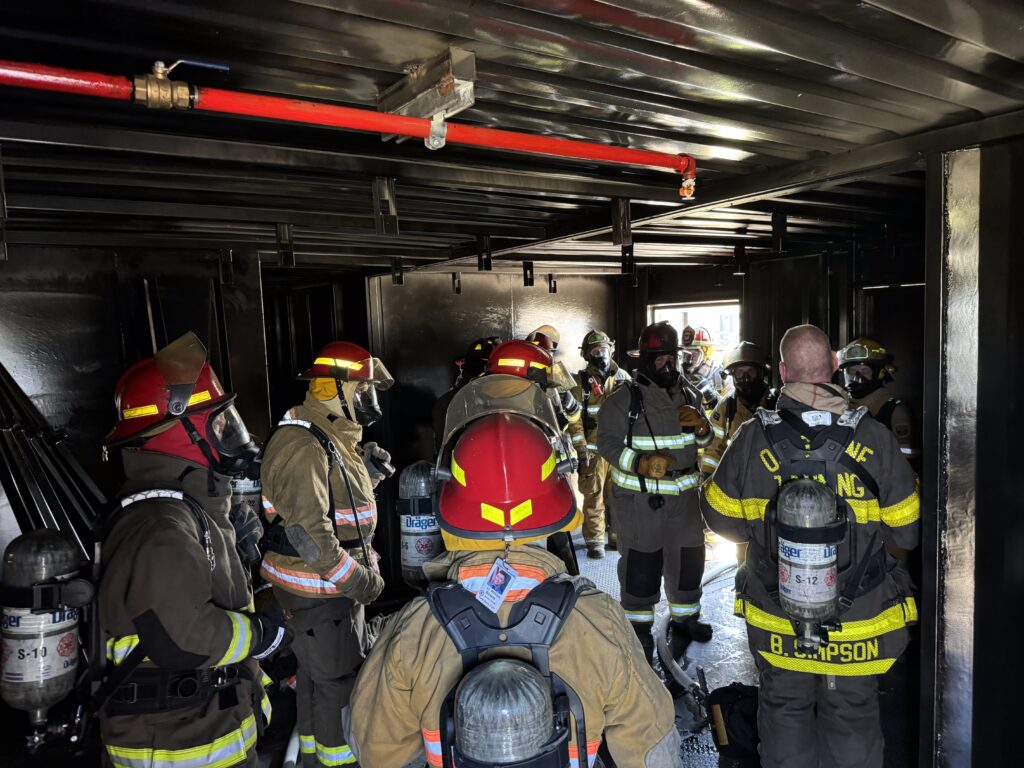
Hybrid or Adaptive Teaching
Recognizing that no single style fits all situations, Morgan discusses a blended approach:
- Instructors combine command, coaching, and participatory techniques to match the topic, setting, and student needs.
- Adaptive instruction may include lecture, group work, hands-on practice, and even technology tools like e-learning or simulations.
- This comprehensive approach engages varied learning preferences and maximizes retention.
He also notes that adaptive methods require instructors to be experienced and flexible, as switching modes can sometimes confuse learners if not well executed
The Role of Technology
Morgan highlights that technology and e-learning tools — including online modules and virtual simulations — can augment traditional training, but should not replace core, hands-on instruction. These technologies can reinforce learning and offer safe, risk-free practice environments when used thoughtfully
Teaching for Safety and Success
Across all styles, Morgan’s central message is clear: effective instruction in the fire service requires adaptability, thoughtful selection of teaching methods, and an understanding of how students learn. Each style — command-based, coaching, participatory, or hybrid — has a role depending on the skill, audience, and training objectives.
In a field where lives depend on preparation, the way we teach is just as important as the information we share.
About the Author
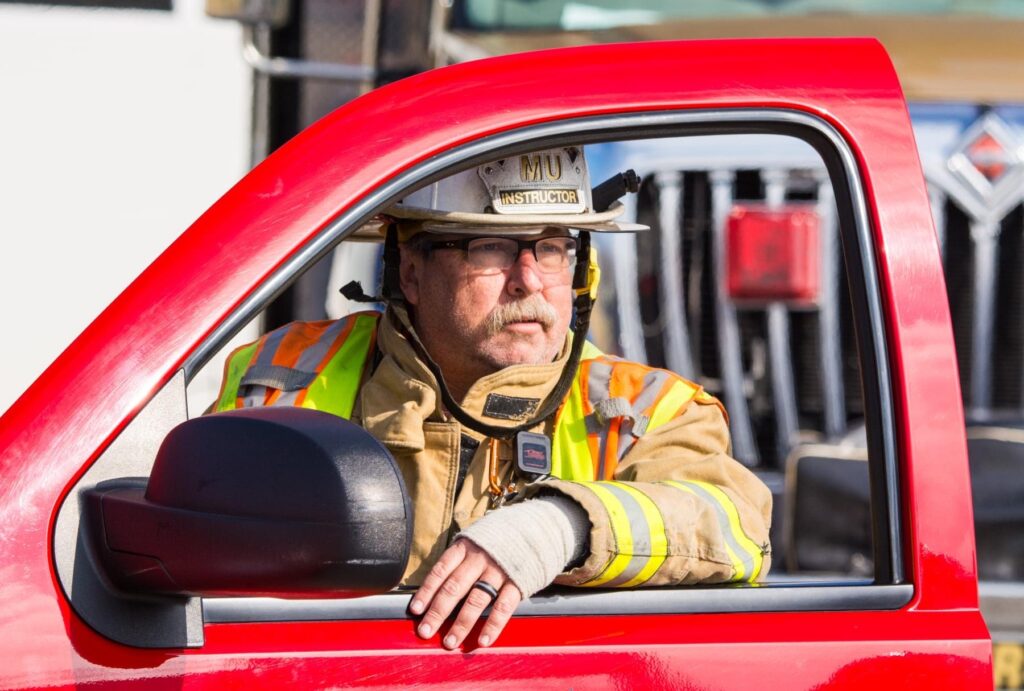
Lynn Morgan, Symtech Regional Sales Manager, was named the 2025 MUFRTI Instructor of the Year, a testament to his impact on fire service education. He brings over 30 years of experience in both volunteer and career roles and holds multiple instructor-level credentials.
About Symtech Fire
Symtech Fire provides industry-leading Class A and Class B live-fire training systems engineered to meet or exceed NFPA 1402 standards. With a commitment to innovation, reliability, and long-term customer partnerships, Symtech Fire serves fire departments and training centers across North America and internationally.
Learn more about Symtech Fire’s Training Programs.
Morgan, L. (2026, January 5). Exploring different fire service teaching styles. Fire Engineering: Firefighter Training and Fire Service News, Rescue. https://www.fireengineering.com/firefighter-training/exploring-different-fire-service-teaching-styles/